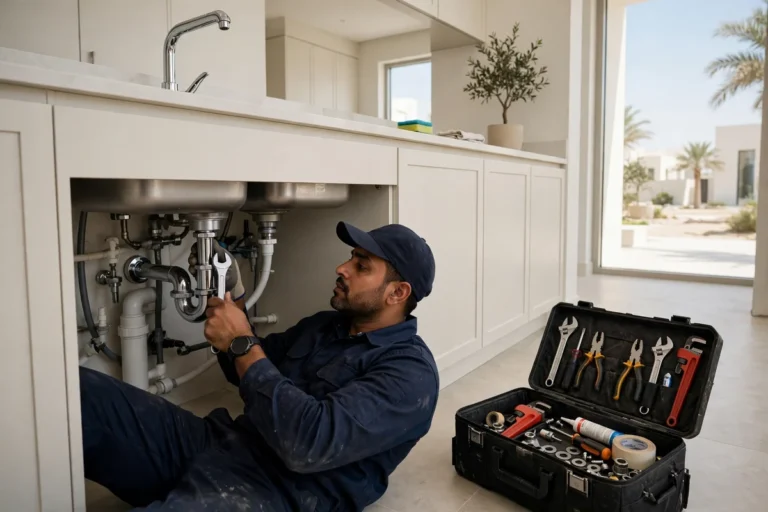

A home renovation in Dubai can turn a tired apartment or villa into a space that finally fits how you live, but it can also become stressful if it starts without a clear plan. The difference is rarely the size of the budget. It is the quality of the planning, the clarity of the scope, and the team you choose to carry the work out. This guide walks through how to plan a home renovation in Dubai, from the first decisions to the final snagging list, so you can renovate with confidence rather than guesswork.
Start With What You Want to Change and Why
Before you speak to any contractor, be honest about what is driving the renovation. Are rooms too small for how your family lives now, is the kitchen awkward to cook in, do bathrooms feel dated, or do you simply want a fresher look? A renovation driven by a real problem is easier to plan and easier to judge than one driven by a vague wish to update everything. Walk through your home room by room and note what works, what frustrates you daily, and what you would change if you could change only three things.
That short list becomes the core of your brief. Share it with every designer and contractor you speak to, so their proposals answer the same questions and can be compared fairly. If you are unsure how to turn that list into a design, interior designers near you can help shape layouts, materials, and a realistic scope before any work begins. A good brief also protects you from scope creep, the slow addition of extra work that pushes a project over time and over budget. When a new idea comes up mid-project, ask whether it serves the original list, and what it will cost in time and money, before agreeing to it.
Set a Realistic Budget and Hold Something Back
A renovation budget is only useful if it covers everything, not just the headline construction cost. Alongside labour and materials, allow for design fees, approvals where needed, delivery, disposal of old fittings, and finishing touches such as lighting, paint, and hardware. Small items add up quickly, and a budget that ignores them will feel broken long before the work is done. Get written quotes that break the scope down line by line, so you can see what is included, what is excluded, and where the money goes.
It is also wise to hold a contingency for surprises. Older homes in particular can hide problems behind walls and under floors, from worn plumbing to uneven surfaces, that only become visible once work starts. A contingency does not mean expecting trouble; it means a surprise does not force you to cut corners elsewhere. Compare quotes on scope, not just on total price. A cheaper quote that leaves out key items, uses lower-grade materials, or skips proper finishing will usually cost more by the time those gaps are filled.
Check Approvals, Rules, and Building Requirements Early
Some renovation work needs permission, and finding that out late can halt a project. Rules vary by building, community, and property type, so check early with your building management or community authority about what is allowed, what needs approval, and what documents are required. Structural changes, changes to plumbing or electrical layouts, and work affecting shared walls or external appearance usually need extra care. Ask your contractor who is responsible for obtaining approvals and for supplying the drawings or documents needed.
Also confirm practical rules before work starts: permitted working hours, rules for deliveries and waste removal, lift or parking arrangements, and protection for common areas. Agreeing these details in advance avoids disputes with neighbours and building management, and avoids days lost to avoidable stops. A contractor who is familiar with Dubai buildings and communities will usually raise these points without being asked, which is itself a good sign.
Choose the Right Team for the Job
The team you hire matters more than any single material choice. For a full renovation, you may need a main contractor who coordinates trades, or a design-and-build company that handles design and execution together. For smaller work, a specialist may be enough. In every case, look for recent completed projects similar to yours, ask to see finished work rather than only renders, and ask for references you can actually contact. Pay attention to how clearly the team communicates: vague answers about timelines, costs, or responsibility are a warning sign before work starts, not just during it.
Ask direct questions and get the answers in writing. Who manages the site day to day? Who supplies materials, and who is responsible if materials are delayed or arrive damaged? How are changes priced and approved? What happens if defects appear after handover? A professional team welcomes these questions and documents the answers in the contract. For ongoing care after a renovation, it also helps to know who to call for smaller jobs: a maintenance company in Sharjah or your local equivalent can handle repairs and upkeep once the main project is finished, so small issues do not grow into larger ones.
Plan the Sequence and the Timeline
Renovation work follows a sensible order, and skipping steps usually creates rework. Demolition and structural work come first, followed by plumbing and electrical work, then plastering, tiling, and joinery, and finally painting, fixtures, and finishing. Agreeing that sequence with your contractor, along with a realistic timeline for each stage, helps you spot delays early and understand what depends on what. Ask what could delay each stage, from material lead times to approval waits, so the timeline you are given is a plan rather than a promise.
Think carefully about where you will live during the work. A full villa renovation may mean moving out, while a room-by-room apartment renovation may mean living around the work. If you are renovating in stages, plan storage for furniture and belongings that need to move out of the way. Self storage facilities in Dubai are a practical option for keeping furniture safe and out of the work area, which also lets tradespeople work faster and with less risk of damage. Whatever you decide, agree it before work starts, because changing living arrangements mid-project is disruptive and costly.
Choose Materials for Daily Life, Not Just Photographs
Materials should suit how you actually live, not only how they look on the day of handover. Kitchens and bathrooms need surfaces that handle water, heat, and daily cleaning. Floors need to handle foot traffic, pets, and children if they are part of your household. Outdoor spaces need materials that handle sun and heat. Ask suppliers and contractors about cleaning, maintenance, and durability, and ask to see samples in your own home light, because showroom lighting can flatter colours and finishes that look different at home.
Two choices illustrate the point well. Wall panels in Dubai can add texture and character to a room, but the right panel depends on the room, the moisture level, and how easy it is to clean. Outdoors, WPC decking in Dubai is a popular choice for terraces and balconies, but installation quality and drainage matter as much as the boards themselves. In both cases, a good installer explains the trade-offs plainly, rather than pushing the most expensive option. Take your time with these decisions; materials chosen in a rush are the ones most often regretted.
Protect Your Home During the Work
Good site practice protects both the new work and the parts of your home that are not being renovated. Agree before work starts how floors, doors, and existing fittings will be protected, how dust will be controlled, and how the site will be left at the end of each day. If pests or damp are found during demolition or opening up walls, deal with them properly rather than covering them over. For pest problems, pest control services in Dubai can advise on treatment before new finishes hide the problem and make it harder to reach.
Visit the site regularly, even if you trust your contractor. Short, regular visits let you catch small issues while they are easy to fix, and they keep communication open. Take photographs at each stage, keep copies of invoices, approvals, and change approvals, and keep a single written record of decisions. If something looks wrong, raise it promptly and in writing. Polite, early questions solve far more problems than complaints raised after the work is covered up.
Finishing, Snagging, and the Final Handover
The final stage of a renovation deserves as much attention as the first. Before you accept the work as complete, walk through every room with your contractor and list every defect, however small: paint marks, uneven finishes, doors that do not close cleanly, taps that drip, or fittings that are loose. This snagging list should be written down, with an agreed date for fixing each item. Do not rush this walkthrough, and do not accept verbal promises in place of a written list.
Once the snagging is done, the work of keeping the renovated home looking new begins. A deep clean before you move furniture back makes a real difference, and residential cleaning services can handle the construction dust and residue that normal cleaning misses. From there, regular cleaning and prompt attention to small repairs will protect your investment far better than any single finishing product. A well-planned home renovation in Dubai is not about chasing perfection in one dramatic reveal. It is about a clear brief, a realistic budget, a trustworthy team, and careful finishing, so the home you move back into works better every day, long after the last tradesperson has left.